
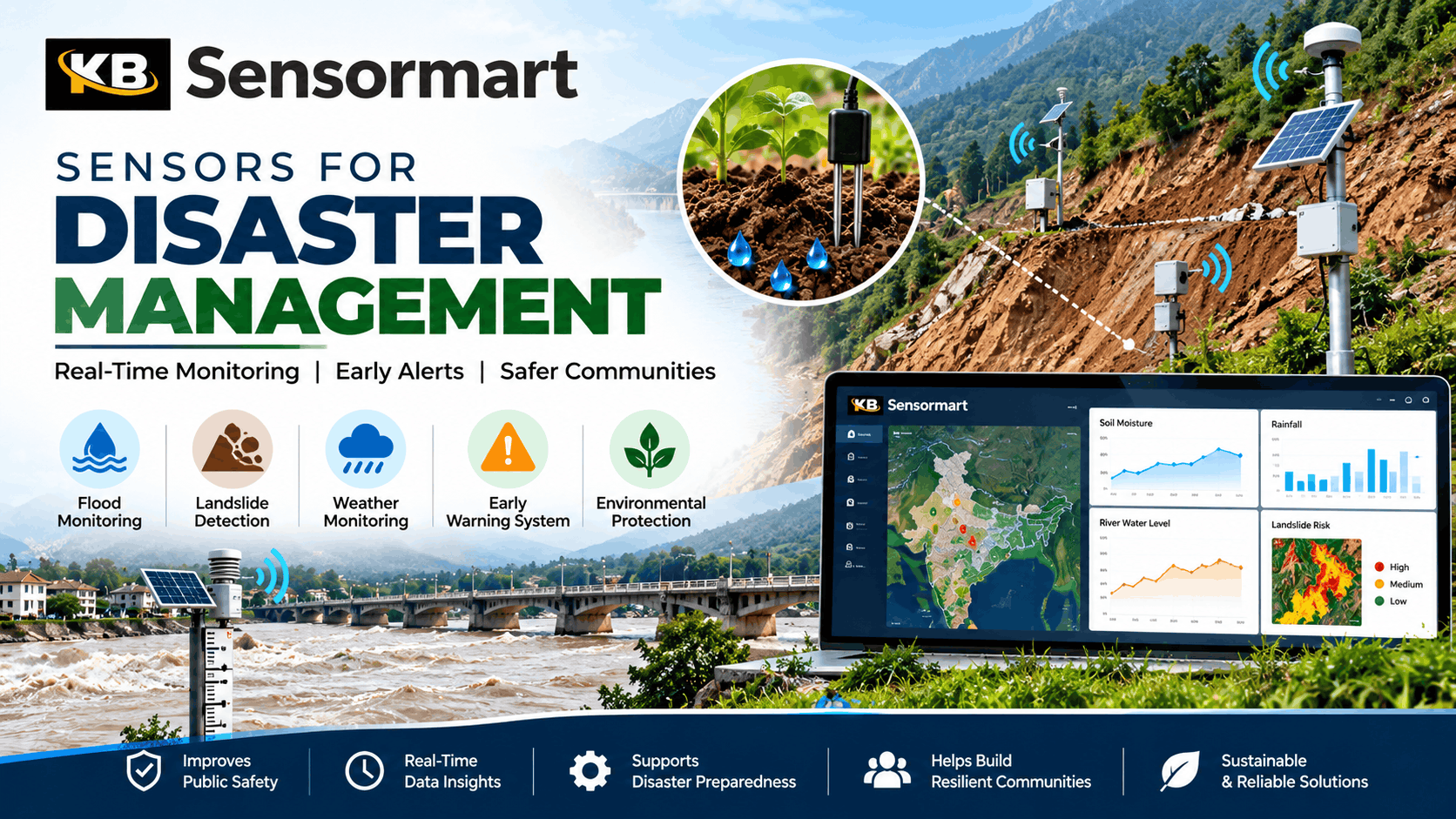
When the river rises at night, who tells your village? Too often, nobody does until the water is already at the door. That gap between danger and warning is where lives are lost. Good Sensors for Disaster Management close that gap. They watch rain, water, and soil all day, and they shout early. If you plan for your town, farm, or factory, see what sensormart makes and ask us how we can help.
No sensor can stop a storm. Let us be honest about that. But a sensor can give people time, and time is what saves lives. Even one hour of notice lets families move to safe ground, lets workers shut down machines, and lets farmers move cattle. A warning that comes early is worth far more than a rescue that comes late.
In this blog, we will explain how these tools work in plain words. You will see which disasters they help with, how old methods compare, and how to set up a simple alert system. We will also share the sensors people use most and answer common questions. No tech degree needed, and no heavy words. Let’s get started right now.
How Sensors for Disaster Management Work
Sensors for Disaster Management measure the signs that come before a disaster. Rain, river height, soil wetness, wind, and ground movement all change before trouble starts. A sensor catches that change and sends a number to a screen or a phone.
The idea is simple. Think of a smoke alarm in your kitchen. It does not stop the fire, but it wakes you up in time to act. Disaster monitoring sensors do the same job for floods, storms, and slopes.
Most setups have three parts. First, the sensor sits in the field and takes readings. Second, a small device called a data logger or transmitter sends those readings out. Third, a screen or app shows the numbers, and it can send an alert when a number crosses a danger line.
Teams set these lines before the rainy season. If a river passes a set height, a bell rings. If rain falls too fast, a message goes out. People do not have to watch the weather all night. Simple rules, clear action.
The best part is that these tools never get tired. They work at 3 a.m., in the rain, when everyone else is asleep. No rest, no breaks, no excuses.
Disasters Where Sensors Make the Biggest Difference
Here are six dangers where early readings can change what happens next for people and property.
- Floods: Flood monitoring sensors track river height and rainfall so towns downstream hear about rising water sooner. That head start lets families shift cattle and leave low areas before roads go under.
- Landslides: Hill slopes can slip after long, heavy rain soaks the ground. Landslide detection sensors, along with rain gauges and soil sensors, help teams spot risky conditions early and warn homes and travelers on steep routes.
- Storms and cyclones: Wind sensors, such as ultrasonic anemometers, measure how fast and from where the wind blows. Port teams and farms use these numbers to decide when to stop work and secure gear.
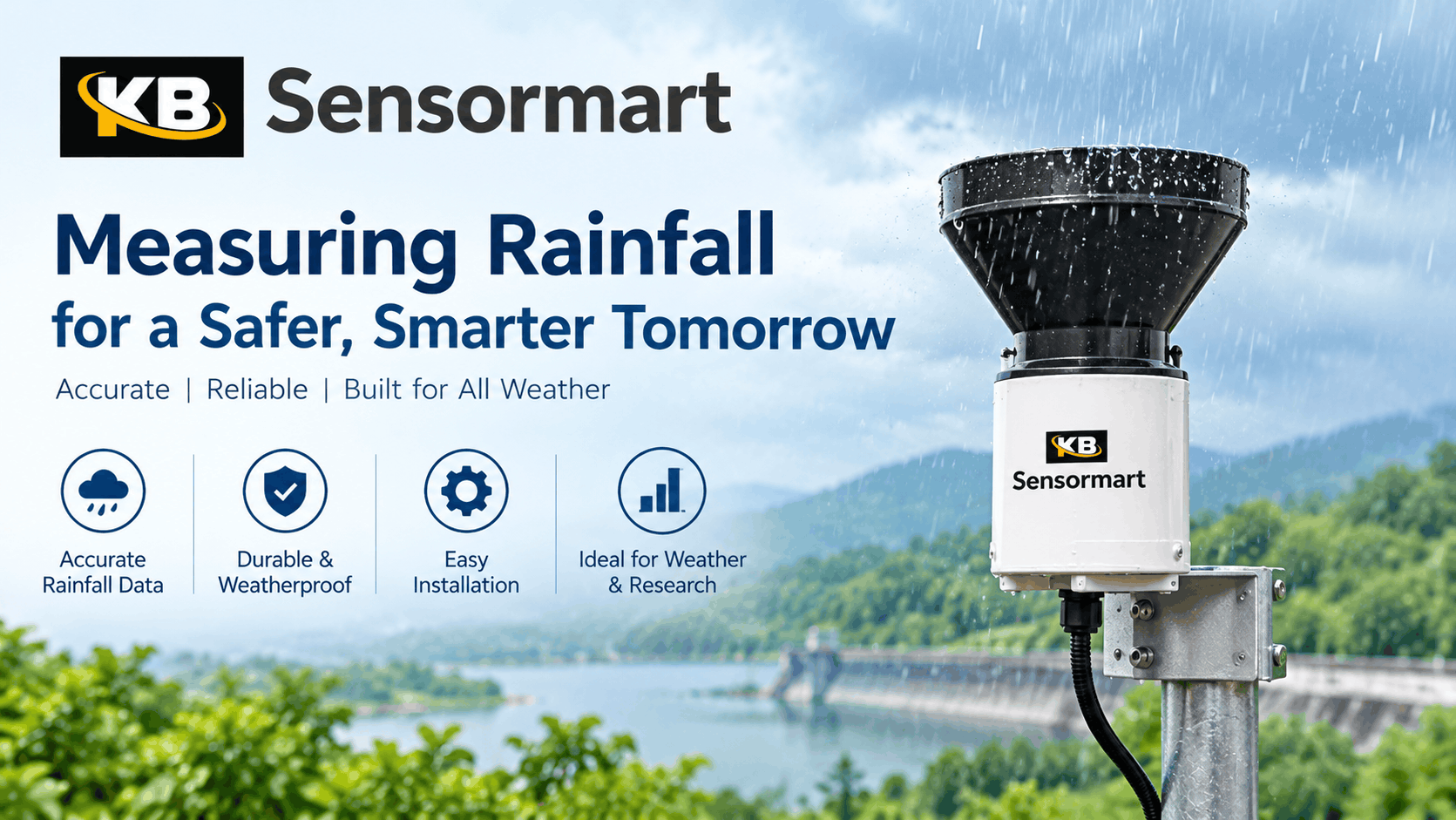
- Heavy rain: Tipping bucket rain gauges count rain tip by tip, so you see how fast it falls, not only how much. A sudden jump in the numbers warns that drains and streams may overflow.
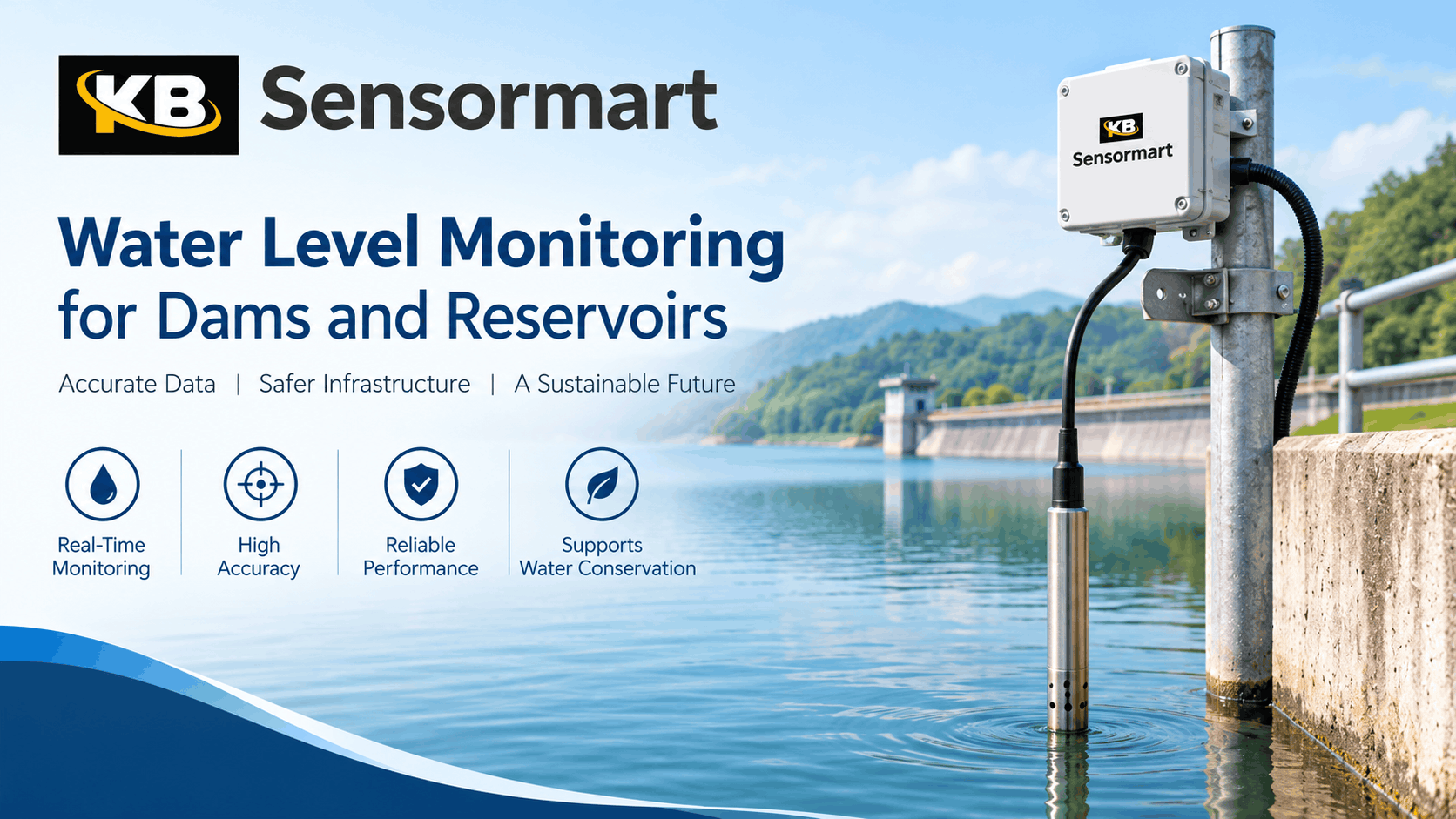
- Dams, canals, and tanks: Radar and water level sensors keep watching the water height around the clock. Staff get a live picture, so they can open gates in time and avoid sudden spills downstream.
- Dry spells: Not every disaster is wet. Soil sensors show when the ground is drying out, which helps farms and local offices plan water use and spot drought trouble before crops fail.
Old Warning Methods Versus Sensor-Based Alerts
This table shows how simple village warnings compare with a modern flood detection system built on sensors. wikipedia
| What You Compare | Old Methods | Sensor-Based Alerts |
|---|---|---|
| Speed | Depends on who sees the danger | Alerts go out in seconds |
| Night and storms | Hard to watch in the dark | Works all day and night |
| Accuracy | Based on guesses and memory | Based on real numbers |
| Reach | Only people nearby hear it | Phones and sirens reach many |
| Records | Often lost or forgotten | Saved for later study |
| Cost | Low at first | Small setup cost, big long-term value |
Old methods are not useless. Bells, drums, and village elders have warned people for generations, and local knowledge still matters. A person who has lived near a river for fifty years can often feel when something is wrong.
The trouble is speed and reach. One person cannot watch a river all night, and a bell only reaches the next street. Sensors fill that gap. The best setups mix both worlds, with local people who know the land and sensors that never blink.
Here is a small example. A sensor notices the river rising at 2 a.m. A siren sounds. A text goes to the village head, the school, and the nearest road office. By the time anyone looks outside, people are already moving. That is the real gift of a warning that does not sleep. Keep your bells and your elders, and add sensors on top. Together they make a warning chain that is hard to break.
Setting Up a Flood Detection System
These three steps help a village, school, or factory build a simple flood alert plan from scratch.
Step 1: Find Your Danger Points
Walk along the river, drain, or hill near you. Ask elders where water rose in past years. Mark those places on a simple map. These are your danger points, and they tell you where sensors will help most. A rain gauge in the open, a water level sensor near the river, and a soil sensor on a slope make a good start. Start small and add more later. Keep the map handy.
Step 2: Place and Connect the Sensors
Fix each sensor firmly where it can read the true level or rainfall. Keep rain gauges away from trees and roofs. Mount radar sensors above the highest flood mark so they stay dry. Connect each one to a logger or controller, and check the output type first, like RS485 or analog. Protect the wires from rats, water, and sunlight. Label every cable so repairs are easy. Then test every sensor before the rains start.
Step 3: Set Alert Levels and Practice
Pick three levels: watch, warning, and danger. Decide who gets a message at each level, and what they must do. Write it down in simple words. Then run a drill with the whole village or team. A plan that people have practiced works far better than a plan that sits in a drawer. Keep the messages short and clear, so even a child can follow them. Share it with local offices too. Review the levels after every rainy season.
Sensors Every Disaster Plan Should Include
A caretaker at a small hillside school shared his story. Every monsoon, he stayed up with a torch, watching the stream behind the school. “I could never sleep,” he said. After the school added a rain gauge and a water level sensor with alerts to his phone, he finally rested at night, and he knew the exact minute to wake the staff.
His story shows what a small setup can do. Here are six sensors that belong in most disaster plans:
- Rain gauges: The first thing to install. They show how much rain has fallen and how fast, which is the earliest hint of flood and landslide risk.
- Water level sensors: Watch rivers, tanks, and drains, and tell you the moment water rises past a safe line.
- Radar sensors: Read water height or distance without touching anything, so mud, trash, and fast flow cannot easily harm them.
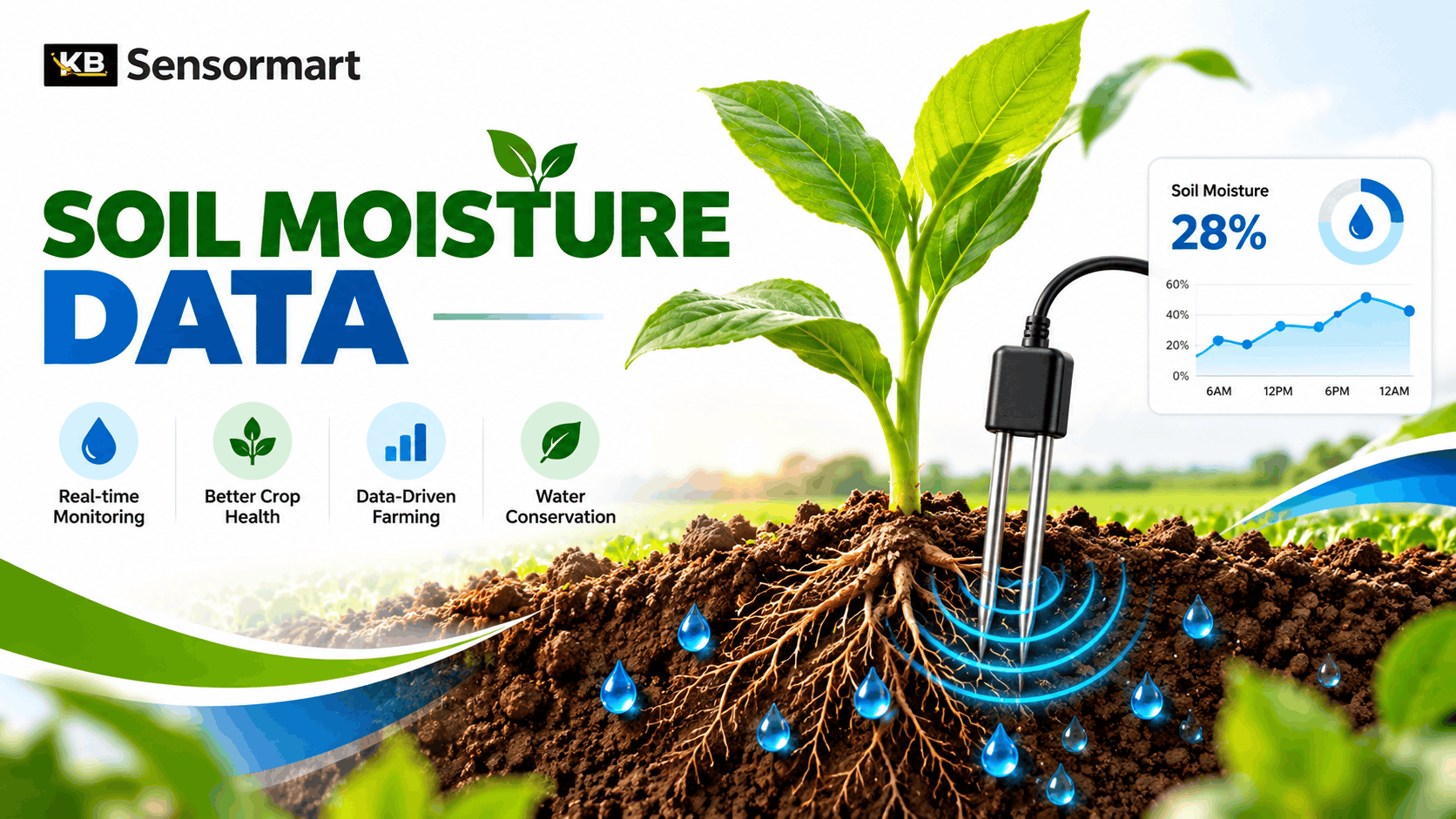
- Soil sensors: Show how wet a slope is. Soaked soil on a hill is a warning sign, especially after days of rain.
- Wind sensors: Ultrasonic anemometers measure wind speed and direction using sound, so storm alerts rest on real numbers.
- Weather instruments: Add the bigger picture of the air around you, so your team reads the signs together, not one by one.
Together, these sensors for disaster management form a full picture. Add alerts, a power backup, and a clear plan, and you have a system people can trust when it matters most. Start with what your area needs most.
FAQs on Disaster Sensors and Early Warnings
What are sensors for disaster management?
They are devices that measure things like rain, water level, wind, and soil wetness, so teams can spot danger early and send alerts before a flood, storm, or landslide hurts people. Readings reach a phone or screen.
Can sensors predict a flood exactly?
No. Sensors cannot predict exact timing, but they show real changes as they happen. That gives people a strong warning and extra time to move, which can make a big difference. No tool can promise perfect timing.
What is a flood detection system?
It is a setup of sensors, a logger, and an alert tool. The sensors watch rain and water level, and the system sends a message or sounds a siren when the level crosses a set line. It can run all day without help.
Which sensors help with landslide warnings?
Rain gauges and soil sensors are a good start, since long rain and soaked soil raise slope risk. Many teams also add ground movement tools, and the right mix depends on the site. Ask a sensor expert about your hills.
Do these sensors work without power or internet?
Many setups use solar panels and batteries for power. For alerts, they can use mobile networks or other links. Ask your supplier about backups so the system keeps running during storms and outages.
How many sensors do I need for one village?
It depends on the area and the risk. A good start is one rain gauge, one water level sensor at the river, and one soil sensor on any risky slope, then add more over time. Cover each risky spot.
How often should sensors be checked?
Check them before every rainy season and after every big storm. Clean the rain gauge, look at the wires, and test the alerts so you know everything works when you need it. A short checklist helps a lot.
Who benefits most from these sensors?
Hill towns, river villages, dam and canal teams, farms, ports, and factories all gain from them. Local offices and schools can also use them to keep people safe. Even small towns benefit.
Does Sensor Mart make sensors for flood and weather monitoring?
Yes. Sensor Mart, based in Roorkee, Uttarakhand, makes tipping bucket rain gauges, 3D ultrasonic anemometers, radar sensors, weather instruments, and soil and water level sensors that suit these uses. Ask the team for the full list.
How can I ask about a setup for my area?
Reach the sensormart team through sensormart.co.in, WhatsApp, or Instagram. Share your site, the risks you face, and your budget, and they can suggest sensors that fit. No big words, just clear answers.
Conclusion: Give Your Community More Time
Disasters cannot always be stopped, but surprise can be. When you use Sensors for Disaster Management, you trade guesswork for real numbers and give people the time they need to stay safe. Start small, keep it simple, and build up as your plan grows. A safer tomorrow starts with one reading today.
Let us look back at what we covered. Know your danger points. Pick sensors that match your risks, like rain gauges, water level sensors, radar sensors, and soil sensors. Set clear alert levels and practice them. Mix local wisdom with modern tools. Check everything before each rainy season. Share the plan with your neighbors. These steps are not hard, but they can make a huge difference.


Leave a Reply