
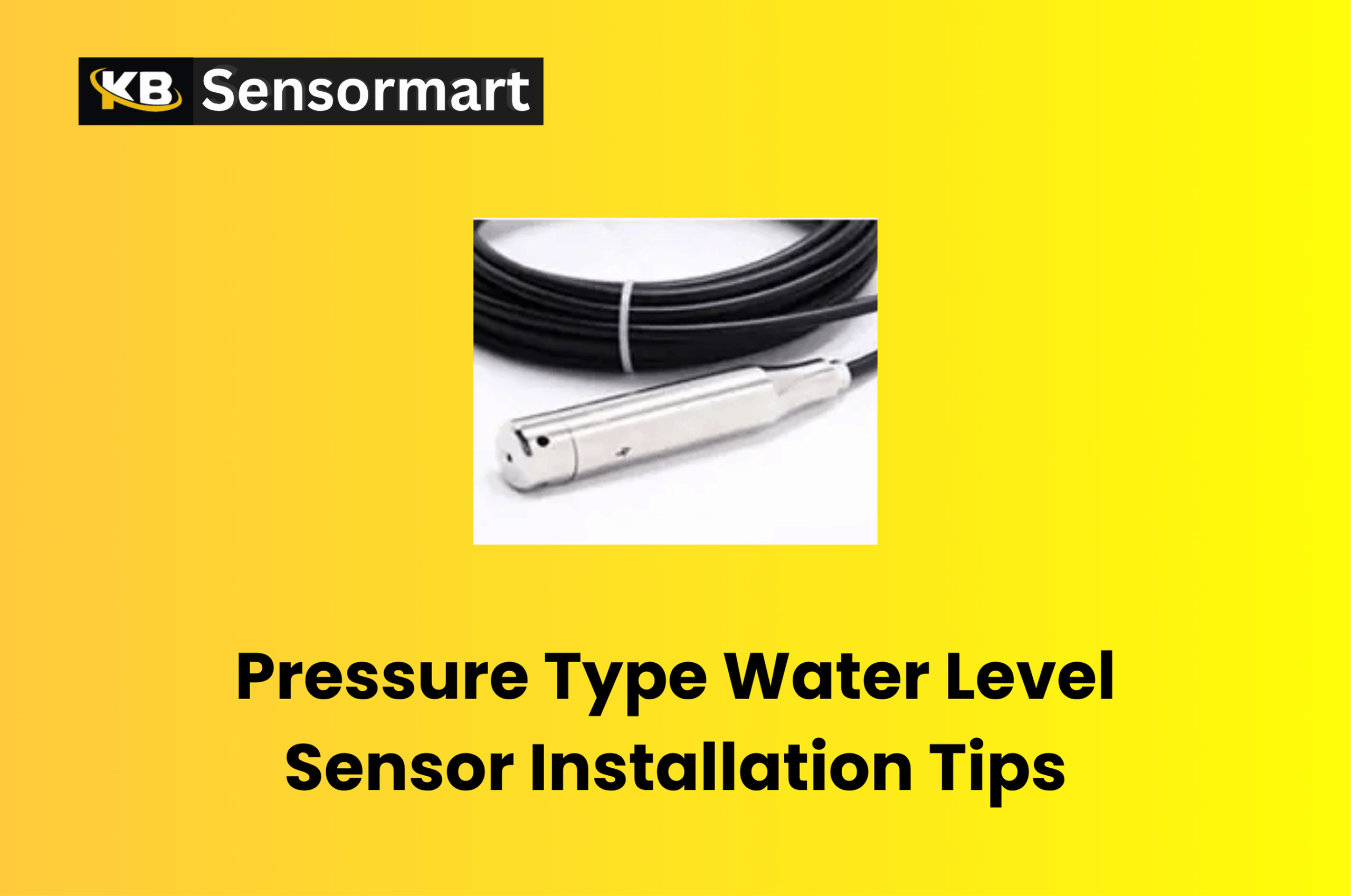
Installing a Pressure Type Water Level Sensor may sound hard, but it is not. With some care and basic tools, anyone can do it. The key is to understand what the sensor does and follow steps slowly. The sensor helps measure water levels in tanks, wells, and other places. It uses pressure to tell how high the water is. When installed the right way, it gives clear and steady results.
What is a Pressure Type Water Level Sensor
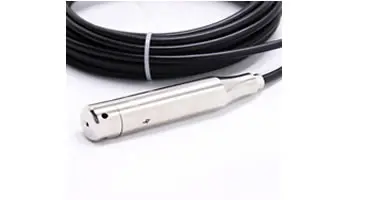
A Pressure Type Water Level Sensor checks water levels using changes in pressure. The deeper the sensor sits, the more pressure the water gives. The sensor reads that pressure and turns it into a level value. These sensors are very common in homes, farms, and factories. They work in clean water, wastewater, and even in chemical tanks. The sensors last long when installed correctly.
Why Correct Installation Matters
A well-installed Pressure Type Water Level Sensor gives true readings and avoids early faults. Wrong placement or wiring can cause false readings or damage the sensor. When the sensor fails, machines stop working right, and water systems can overflow or run dry. To stop this, follow proper setup steps. Sensormart creates sensors that are easy to fit and safe to use, but some small tips can help make the job better.
Safety First
Before starting, turn off any power near the tank or pump. Always read the guide that comes with your Pressure Type Water Level Sensor. Wear gloves if you handle sharp parts. Make sure the working area is dry to prevent electric shocks or slips. Safety is the first step before installing anything.
Choosing the Right Place
The place where you put your Pressure Type Water Level Sensor can change how it reads. Pick a spot where water moves less. If the water flows too fast or has bubbles, it can give wrong data. In tanks, the best spot is straight at the bottom, away from the inlet or outlet pipe. The sensor should always stay under water, even when levels drop.
If you fix the sensor in a well, make sure it does not hit the wall or pump. Use a small weight or a bracket to keep it still. When it hits hard surfaces, it may break or lose accuracy. This also protects the cable from cuts or bends.
Cable Handling
The cable of the Pressure Type Water Level Sensor is very important. Never pull it hard. Instead, guide it slowly along the path it has to go. Avoid sharp edges or rough spots that can cut through. Use cable ties or clips to hold it in place. If the sensor is in deep water, add some clips at equal points so the weight stays balanced.
Seal all cable joints tightly. Water or moisture entering the cable can cause signal loss. Sensormart sensors come with strong sealing at factory ends, but always check before use.
Connection and Wiring
Once the Pressure Type Water Level Sensor sits in place, connect it to your monitor or control panel. Follow the wire colors as given in the manual. Most sensors have three wires – power, ground, and signal. Mix-ups here are common, so take time to double-check each link.
Use a power supply that matches the sensor’s rated voltage. If power is too high, it may burn the circuit. If too low, readings will not be correct. After wiring, cover all open ends with waterproof caps or rubber sleeves. This stops any dust or water from entering.
Testing the Sensor
After fixing and wiring, test the Pressure Type Water Level Sensor before final sealing. Fill your tank slowly and watch the readings. If levels jump or stay still, check the cable or air bubbles near the probe. When the level matches what you see, the sensor is working well.
When Sensor readings match the actual water line, lock the cables and note the values. Testing first saves a lot of time later. Once sure, close any open ports and keep the cable ends neat.
Common Problems and Fixes
Even when installed right, users face some common issues with the Pressure Type Water Level Sensor:
- Fluctuating readings: This happens when air bubbles or flowing water disturb the sensor. Try placing it where water moves less.
- No output signal: Check power supply or broken wires. Ensure proper voltage.
- Slow response: Sometimes, dirt covers the sensing head. Clean it gently using fresh water.
- Wrong level shows: Check calibration and see if the tube is blocked.
Fixing these small issues right away helps your sensor last longer and keep giving true readings. Sensormart support can guide you if readings stay wrong even after checking.
Cleaning and Maintenance
Keep your Pressure Type Water Level Sensor clean to help it work better. If used in muddy or chemical water, clean the head once a month. Always use soft cloth and mild soap water. Never hit or scratch the tip, as this may change its pressure reading. Dry the sensor before putting it back in use.
In farms or wells, attach a small filter or shield around the probe. This stops leaves or stones from hitting it. For high mineral water, soak it in clean water for a few hours every few weeks to remove salt buildup.
Check cables often for cracks or cuts. Replace any broken part fast. Water entering the line causes sensor failure over time. Sensormart sensors are built to handle rough use, but good care still makes a big difference.
Calibration Check
Every Pressure Type Water Level Sensor should be checked once in a while for accuracy. Over time, pressure and temperature changes can cause drift. You can test it by measuring water depth with a ruler or stick and seeing if the sensor shows the same. If readings differ too much, recalibrate it as per the manual.
Calibration is simple and takes only a few minutes. Doing it every 3–6 months keeps readings reliable. For industrial use, more frequent checks are wise.
Long-Term Storage Tips
If the Pressure Type Water Level Sensor is not in use, store it properly. Do not let it dry under the sun or near heaters. Wrap the sensor in soft cloth and keep it inside a dry box. Coil the cable gently without tight bends. Cover the tip with its guard if it came with one.
Before reusing, inspect it for rust or bent parts. Wipe it clean and run a small water test again before connecting to real systems.
Benefits of Proper Installation
When you install your Pressure Type Water Level Sensor correctly, you get:
- Accurate readings even in tough water types
- Longer sensor life
- Fewer maintenance visits
- Better safety for pump systems
- Stable output for control units
A little care during setup saves money and time later. Sensormart sensors are designed to make setup easier and give solid performance in all environments.
Final Thoughts
Installing a Pressure Type Water Level Sensor does not need to be confusing or hard. With the right steps, even a beginner can do it well. Always handle the sensor carefully, connect wires correctly, and keep the area dry. Clean it when needed and check calibration often.
Sensormart provides tested and easy-to-fit sensors to meet all water-level needs. Whether it is a home tank, pond, or supply plant, following these small tips ensures smooth and safe operation for years.


Leave a Reply