
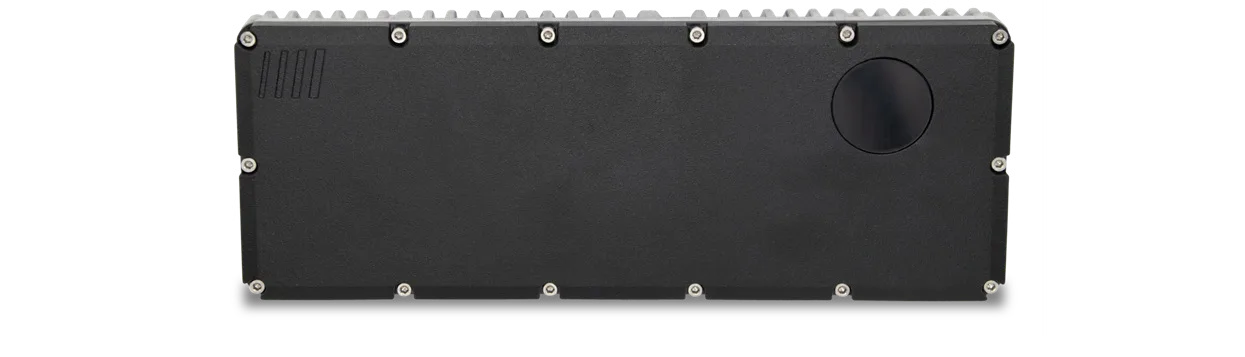
How Smart Sensing is Transforming Roadways and Urban Mobility
Whether you find yourself sitting at a red light during rush hour or getting a glimpse of cars flowing effortlessly through intersections at a smart city demo, one thing’s for sure – traffic sensors are the unsung heroes of intelligent road management systems. Such technology tools offer valuable, real-time information on traffic movement, making roads safer, reducing delays, and optimizing smart traffic systems.
Within this blog, we will analyze what traffic sensors are, how they function, their technologies, their importance, and what they bring to the modern transport system. We will draw further inspiration from the blog posts under SensorMart regarding traffic sensors and other sensoring technologies. It appears that among the blog postings available under SensorMart, there is one related to a traffic sensor employed for monitoring highway speed and traffic.
What Are Traffic Sensors?
Traffic sensors are electronic technologies placed along roads, at intersections, and on highways to detect and track data regarding the presence, speed, and flow of cars. They are dynamic tools that, instead of being manual or part of pre-programmed timing cycles, offer real-time data to guide traffic signals and intelligent traffic systems.
Conventionally, the operation of traffic lights was timer-based, and it did not consider the actual road conditions. Smart systems, which utilize sensors, dynamically adjust the timing of traffic lights according to demand.
How Do Traffic Sensors Work?
There isn’t only one method used in traffic sensors, as various sensors use differing techniques to detect traffic based on the modification in physical or electromagnetic waves caused by the traffic. Some major techniques used by traffic sensors to detect traffic include:
1. Inductive Loop Sensors
By contrast, inductive loops have wire coils buried in the roadway, and these coils sense the disruption in the electromagnetic field caused by the passing vehicle’s presence and generate a signal when a vehicle crosses over or stops above them. Moreover, inductive loops have long been highly effective and very accurate.
2. Radar Sensors
Radar emit radio waves and detect reflections to measure presence, speed, and sometimes direction. Radar is a non-contact system; thus, it is less weather and road surface dependent than fixed sensors buried beneath paving.
3. Infrared & Ultrasonic Sensors
The infrared devices utilize beams of infrared light for detecting heat or interruption equivalent to vehicles. On the contrary, ultrasonic sensors make use of sound waves for detecting vehicles. Such types can often be found for use in short-range applications like stop bar detection and parking ramps.
4. Video/Image Processing
The processing of such footage using in-built software is capable of analyzing images in real-time to identify cars, count them, and even specify their types. Though efficient, this may be compromised by light conditions and weather.
5. Magnetic & Wireless Sensors
Novel traffic sensor technology relies on wireless smart nodes or the use of magnetic fields for vehicle detection without digging roads. This can commonly be seen in the form of low-cost traffic analysis and identification systems being implemented in urban and highway environments. Sensor Mart
Why Traffic Sensors Matter
What, then, is the rationale for traffic engineers and urban developers investing in traffic sensors? The advantages in such investments are manifold and far-reaching:
1. Real-Time Traffic Information
The provide real-time information for flow rates and speeds as well as number and queue measurements. The technology allows for adaptive traffic signaling controls that vary by changing the traffic light times in accordance with flow rather than by time of day.
2. Improved Road Safety
The speed-detection sensors coupled with traffic enforcement cameras aid the police in monitoring and regulating speed, minimizing the possibility of high-speed crashes. Weather or road conditions make radar traffic sensors highly preferred in settings where other sensors are affected.
3. Adaptive Signal Control
Sensors installed at intersection points provide information about approaching vehicles. This data then helps traffic signal controllers, who can modify green and red lights according to their demand, thus reducing the time spent at traffic lights and halting unnecessarily on side roads, which have intermittent traffic.
4. Smarter Urban Mobility
Traffic sensors form a crucial component of Intelligent Transportation Systems (ITS). When traffic sensor data is integrated with communications and analytics tools, it is possible to optimize entire routes and provide commuters with real-time estimates of travel times.
5. Data for Planning and Policy
In addition to real-time control, long-term data is important for travel patterns analysis, rush hour peaks, and bottlenecks in order to plan roads, transport priorities, and investments in infrastructure in the future.
Key Applications of Traffic Sensors
Traffic sensors are useful not only at signalized intersections but in a wide variety of applications:
Highway Monitoring
Sensors along highways monitor speed and volume to aid in enforcement, incident detection, and congestion analysis. Radar and inductive systems work well here due to their wide coverage and long-range sensing.
Traffic Light Systems
At traffic intersections, sensors trigger the green phases if vehicles are present or adjust the timings accordingly on queue lengths. That reduces stoppage time and wastes less fuel.
Adaptive Traffic Management
In smart systems, sensor data feeds into network-wide optimization platforms in such a way that entire traffic light networks are adjusted by current demand and thereby improving flows across the city.
Speed Enforcement & Safety Zones
It assists in imposing the limit and detection of overspeeding vehicles, particularly in school zones or accident-prone corridors. For this purpose, normally radar-based speed sensors are used.
Traffic Analytics & Planning
Data accumulated over time shows seasonal trends, time of day usage, special event times of year, which are all vital for planning and budgeting.
Challenges and Considerations
- Although traffic sensors provide obvious benefits, there are some drawbacks that are worth considering:
- Installation & Infrastructure: Certain sensors, for instance, inductive loops, have to be installed by cutting roads, which can be very expensive, besides being disruptive
- Environmental Impact:
- In this regard, it can be seen that radar and magnetic sensors are reliable and strong technologies; however, they may perform poorly in weather conditions and low lighting.
- Cost & Maintenance: Systems with high accuracy levels and capability levels will incur more investments upfront, but this will be compensated for in the future via efficient functionality.
Emerging Trends in Traffic Sensing
Traffic detection is undergoing a transformation due to the increasing use of AI and machine learning. The modern traffic detection system now uses the data provided by radar, cameras, and lidar in a manner that classifies vehicles and forecasts incidents even before they take place.
Furthermore, floating car data that utilizes vehicles as sensors through GPS or wireless networks offers additional real-time data for traffic management without needing any roadside devices.
Conclusion
Traffic sensors are more than simply devices concealed on poles or beneath roads – they are vital drivers for intelligent traffic management, secure roads, and efficient movement in cities. Through the use of technology ranging from inductive loops to radar, infrared, and cameras, it is possible for a city to make informed decisions based on the data obtained from traffic behavior. more product
FAQs
1. What is a traffic sensor used for?
A traffic sensor is used to detect and monitor vehicle presence, speed, volume, and movement on roads and highways. The data helps manage traffic signals, improve road safety, and optimize traffic flow.
2. How do traffic sensors work?
Traffic sensors work by detecting changes caused by vehicles using technologies such as radar, inductive loops, infrared, ultrasonic, magnetic fields, or video processing. The sensor then converts this information into traffic data.
3. What types of traffic sensors are commonly used?
Common traffic sensors include inductive loop sensors, radar sensors, infrared sensors, ultrasonic sensors, magnetic sensors, and camera-based systems, each suited to different road and traffic conditions.
4. Are traffic sensors affected by weather conditions?
Some sensors, like camera-based systems, may be affected by fog, rain, or low light. However, radar and inductive loop sensors perform reliably in most weather conditions, making them ideal for outdoor and highway applications.
5. How do traffic sensors help reduce congestion?
Traffic sensors provide real-time data that allows traffic signals to adapt dynamically to actual road conditions. This reduces unnecessary waiting time at signals and helps maintain smoother traffic flow.
6. Are traffic sensors used in smart city projects?
Yes, traffic sensors are a key component of smart city and Intelligent Transportation Systems (ITS). They enable real-time monitoring, data-driven traffic management, and integration with IoT platforms for smarter urban mobility.


Leave a Reply