
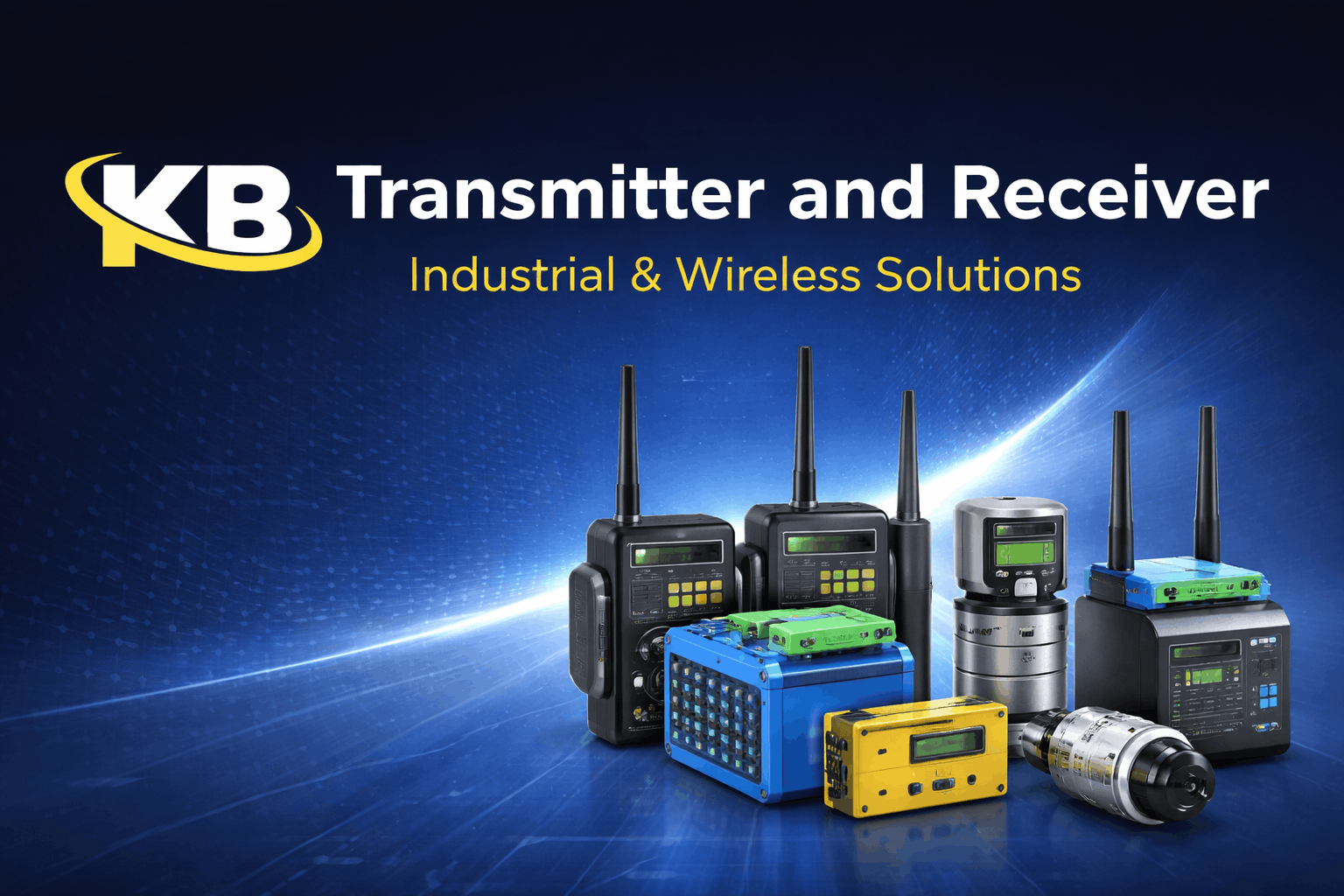
In today’s connected world, communication systems are the backbone of industries ranging from automation and agriculture to IoT and smart cities. At the heart of these systems lie two essential components: the transmitter and the receiver. These devices work together to send and receive signals efficiently, enabling seamless data transfer.
In this SEO-friendly and AEO-optimized guide, Sensor Mart explains everything you need to know about transmitters and receivers, their working principles, applications, and how to choose the right solution.
What is a Transmitter?
A transmitter is an electronic device that converts physical or electrical signals into a form suitable for transmission over a distance. It sends data from one point to another through wired or wireless communication channels.
Key Functions of a Transmitter:
- Converts sensor data into signals
- Amplifies signals for long-distance transmission
- Encodes information for accurate delivery
For example, in industrial automation, a temperature sensor connected to a transmitter sends real-time data to a monitoring system.
What is a Receiver?
A receiver is a device that captures transmitted signals and converts them back into a usable form. It ensures that the information sent by the transmitter is accurately received and interpreted.
Key Functions of a Receiver:
- Receives incoming signals
- Decodes transmitted data
- Converts signals into readable output
Together, transmitters and receivers form a complete communication system. Products
How Transmitter and Receiver Work Together
The communication process involves three main steps:
1. Signal Generation
The transmitter collects data from a sensor or input source.
2. Signal Transmission
The data is encoded and transmitted via wired (RS-485, Ethernet) or wireless (RF, LoRa, Bluetooth) communication.
3. Signal Reception
The receiver captures the signal, decodes it, and displays or processes the information.
This process ensures reliable data communication in real-time applications.
Types of Transmitters and Receivers
1. RF (Radio Frequency) Transmitters and Receivers
Used in wireless communication systems such as remote controls and IoT devices.
2. Industrial Signal Transmitters
Common in factories for transmitting pressure, temperature, and flow data.
3. Optical Transmitters and Receivers
Used in fiber optic communication systems for high-speed data transfer.
4. Digital Transmitters (RS-485, Modbus)
Widely used in industrial automation and sensor networks.
At Sensor Mart, you can find a wide range of transmitters and receivers suitable for industrial, environmental, and agricultural applications.
Applications of Transmitter and Receiver Systems
Transmitters and receivers are used across various industries:
Industrial Automation
Monitor and control machinery, ensuring efficient operations.
Agriculture
Used in smart irrigation systems and environmental monitoring.
Weather Monitoring
Transmit data from sensors like wind speed, rainfall, and temperature.
Smart Cities
Enable communication between devices for traffic management and pollution monitoring.
IoT Systems
Essential for connecting devices and enabling real-time data exchange.
Benefits of Using High-Quality Transmitter and Receiver Systems
Choosing reliable devices from Sensor Mart offers several advantages:
1. Accurate Data Transmission
Ensures precise communication between devices.
2. Long-Range Communication
Supports both short and long-distance data transfer.
3. High Reliability
Reduces signal loss and interference.
4. Energy Efficiency
Optimized for low power consumption in IoT systems.
5. Easy Integration
Compatible with various sensors and control systems.
How to Choose the Right Transmitter and Receiver
Selecting the right system is crucial for performance. Consider the following factors:
Communication Type
Choose between wired (RS-485) or wireless (RF, LoRa) based on your application.
Range Requirements
Ensure the system supports the required transmission distance.
Environmental Conditions
Select devices that can withstand temperature, humidity, and harsh environments.
Compatibility
Make sure the transmitter and receiver work with your existing sensors and systems.
Data Accuracy
Look for devices with minimal signal loss and high precision.
Sensor Mart provides expert guidance to help you select the best solution for your needs.
Why Choose Sensor Mart?
When it comes to reliable communication solutions, Sensor Mart is a trusted name in the industry.
Wide Product Range
Offers various transmitters and receivers for different applications.
Quality Assurance
All products are tested for durability and performance.
Expert Support
Professional guidance for selecting and installing devices.
Competitive Pricing
Affordable solutions for businesses and industries.
Fast Delivery
Quick and efficient shipping across India.
Future of Transmitter and Receiver Technology
With the rise of IoT, Industry 4.0, and smart infrastructure, transmitter and receiver technologies are evolving rapidly. Advanced wireless protocols, low-power devices, and cloud integration are shaping the future of communication systems.
Sensor Mart continues to stay ahead by offering innovative and future-ready solutions.
Conclusion
Transmitters and receivers are essential components of modern communication systems. From industrial automation to smart agriculture and IoT, they enable efficient data transfer and real-time monitoring.
Choosing a reliable provider like Sensor Mart ensures high-quality products, expert support, and long-term performance. Whether you need wired or wireless communication solutions, Sensor Mart has the right products to meet your requirements. More Blogs
FAQs
1. What is the difference between a transmitter and a receiver?
A transmitter sends signals, while a receiver captures and interprets those signals.
2. Where are transmitter and receiver systems used?
They are used in industrial automation, agriculture, weather monitoring, IoT, and smart city applications.
3. What types of communication do transmitters support?
Transmitters support wired (RS-485, Ethernet) and wireless (RF, LoRa, Bluetooth) communication.
4. Why is signal accuracy important?
Accurate signals ensure reliable data transmission and prevent errors in monitoring systems.
5. Can I use Sensor Mart products for industrial applications?
Yes, Sensor Mart provides high-quality transmitters and receivers designed for industrial use.
6. How do I choose the right transmitter and receiver?
Consider factors like range, communication type, compatibility, and environmental conditions. Sensor Mart experts can help you make the right choice.




Leave a Reply