
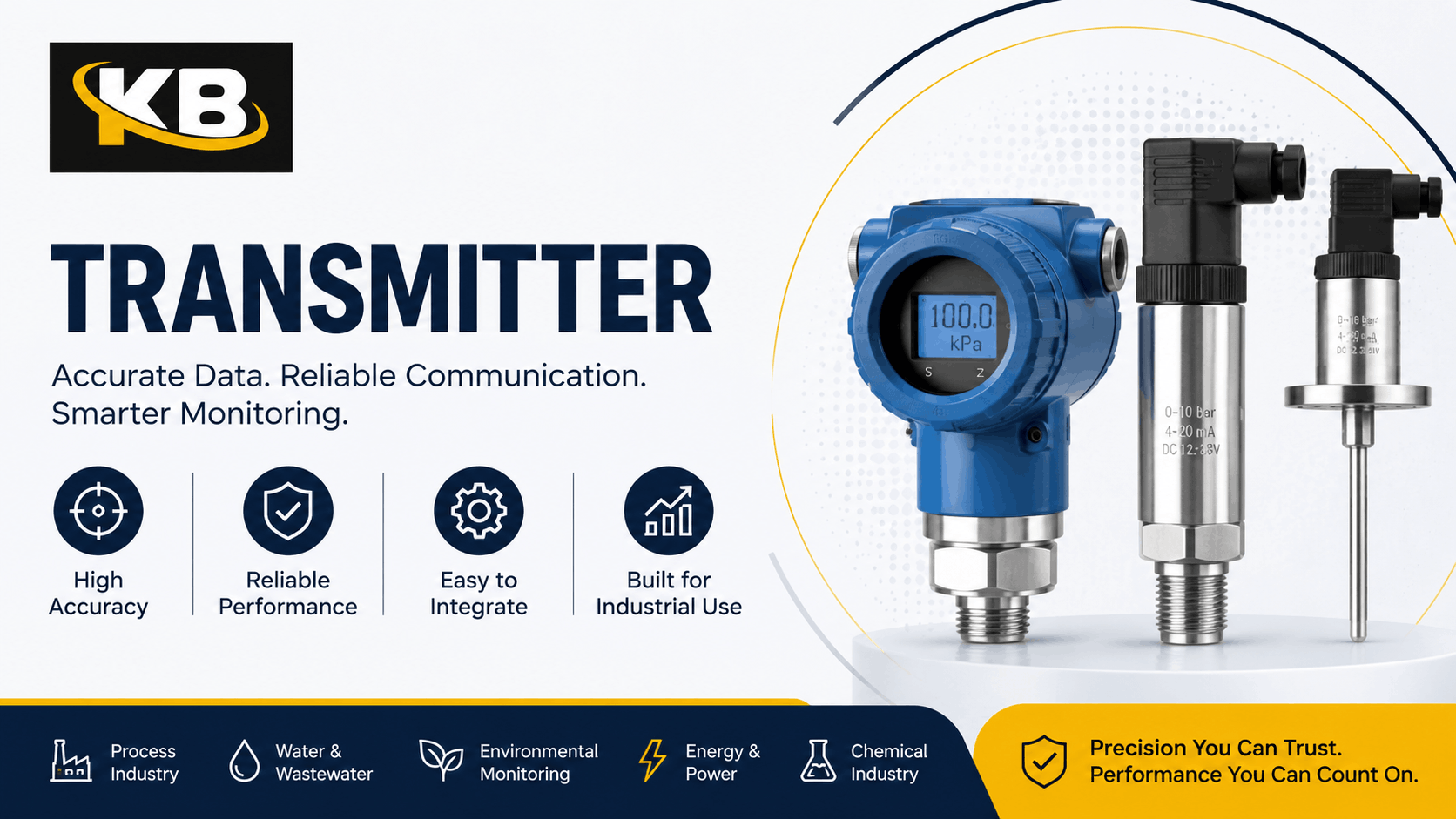
Measures a variety of physical values including pressure, temperature, level, flow and humidity and converts the measurement into an electrical signal, it is a necessary piece of equipment used for industrial automation, systemically controlling, instrumentation and monitoring applications. This electrical signal can be fed to PLC system, SCADA system, data logger, controller and monitoring device. Treansmitter
For industries where precise and continuous measurements are necessary the right with respect to transmitter selection is of utmost importance. more blogs
What Is a Transmitter?
Transmitter: An electronic device used to take the signal from a sensor and convert it into a standard signal that can be sent to another electronic control or monitoring system.
The transmitter receives data from a sensor, processes it, and provides it to the control system, in basic terms.
If the temperature sensor detects the temperature to be 75 °C, then a standard signal (for example 4-20 mA) will be sent to the transmitter connected to the sensor, which can be read by a programmable logic controller or industrial controller.
This is particularly appealing in applications where it is necessary to monitor remotely.
How Does a Transmitter Work?
The working process of a transmitter is simple and can generally be divided into a few steps:
- Measurement: A sensor detects a physical parameter such as temperature, pressure, flow, or level.
- Signal reception: The transmitter receives the sensor’s output.
- Signal processing: The incoming signal is processed and converted into a suitable form.
- Signal conversion: The measurement is converted into a standard output.
- Signal transmission: The processed signal is sent to a PLC, controller, display, or monitoring system.
A common industrial output is 4–20 mA. Other communication options can include voltage signals, RS-485, Modbus, and digital communication protocols.
The exact working principle depends on the type of transmitter, sensor, application, and communication system being used. Treansmitter
Why Is a Transmitter Important?
In today’s measurement and automations, transmitters are vital elements. They translate the minor signals, that the measurements or applications might generate, into Treansmitter a form, which can be transmitted. Treansmitter
Transmitter presents some benefits such as:
- Accurate signal transmission;
- Ability to transmit signals over long distance;
- Strong communication skills;
- Observation of a process over a long period of time;
- Low noise in the transmitted signals;
- A wide range of optional features; and
- Assistance in automations of the processes.
Correct signal transmission enables the staff to sense what is happening on the processes, and to respond appropriately in the industry.
Types of Transmitters
There are several types of transmitters available for Treansmitter different measurement requirements. The most common types are based on the parameter being measured.
1. Pressure Transmitter
A pressure transmitter gauges the pressure of gases and liquids before transforming figures into electrical signals. Pressure transmitters are widely used in water systems, pipelines, hydraulic machinery, chemical plants, and industrial process units. Treansmitter
2. Temperature Transmitter
A temperature transmitter receives a signal from a temperature sensor such as an RTD or thermocouple and converts it into a standard output.
It is useful for monitoring temperature in manufacturing plants, HVAC systems, storage facilities, laboratories, and process industries.
3. Level Transmitter
A level transmitter measures the level of liquids, powders, or other materials inside tanks and vessels.
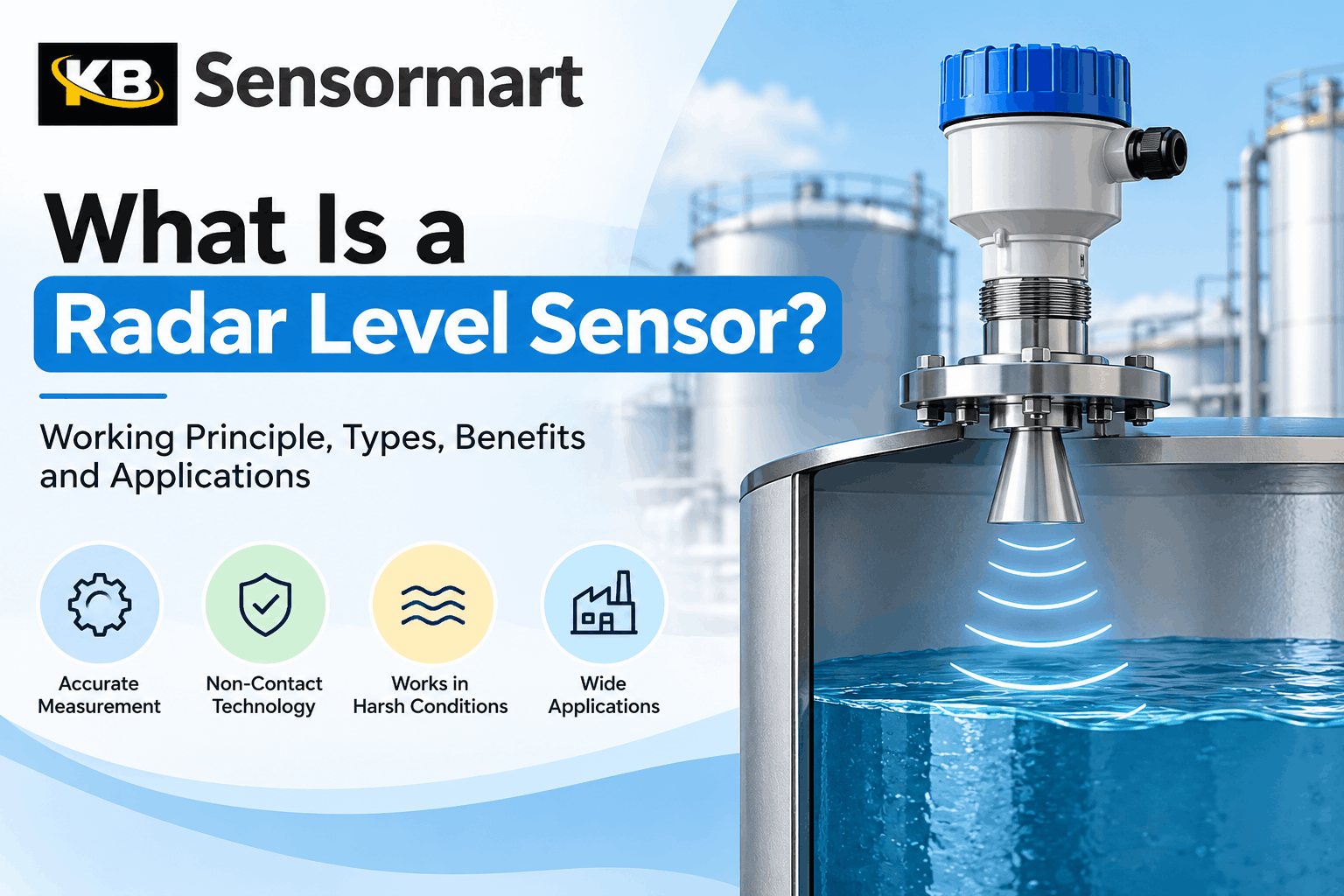
Depending on the application, level measurement can be based Treansmitter on technologies such as radar, ultrasonic measurement, hydrostatic pressure, or other sensing methods. Treansmitter
4. Flow Transmitter
A flow transmitter is used to measure the rate at which a liquid or gas moves through a pipe or channel.
It is widely used in water treatment, chemical processing, oil and gas, manufacturing, and irrigation systems.
5. Humidity Transmitter
A humidity transmitter measures relative humidity and may also measure temperature.
These devices are useful in warehouses, HVAC systems, agriculture, Treansmitter industrial environments, clean areas, and weather monitoring applications.
6. Differential Pressure Transmitter
A differential pressure transmitter measures the difference between two pressure points.
It is often used for monitoring filters, airflow, liquid flow, and pressure differences in industrial processes.
Common Output Signals
One of the most important features of a transmitter is its output signal. The output determines how the device communicates with the receiving system.
4–20 mA
The 4–20 mA signal is one of the most widely used industrial standards. Treansmitter A 4 mA signal normally represents the lower measurement range, while 20 mA represents the upper range.
This type of signal is popular because it can work over relatively long cable distances and is less affected by electrical noise than many voltage-based signals.
0–10 V
Some measurement systems use a 0–10 V output. This type of signal can be suitable for certain automation, HVAC, and control applications.
RS-485 and Modbus
Digital communication using RS-485 and Modbus can allow measurement values and additional device information to be exchanged between the transmitter and a controller or monitoring system.
The correct communication method should be selected according to the existing control system of Treansmitter and application requirements.
Transmitter vs Sensor: What Is the Difference?
A sensor and a transmitter are related, but they are not always the same thing.
A sensor detects a physical condition. For example, a temperature sensor detects temperature.
A transmitter generally takes the sensor signal and converts it into a standard output that can be sent to another device.
Think of it this way:
Sensor → Measurement → Transmitter → Standard Signal → Controller/PLC/SCADA
Some modern instruments combine the sensor and transmitter in a single unit. In such products, the complete device can directly provide a standardized output.
Applications of Transmitters
Transmitter application is common in many industries, as measurement and control can be regarded as essential in almost all automation processes. General applications are:
- Wastewater and water treatment production and consumption.
- Agricultural applications
- HVAC systems
- Manufacturing
- Chemical processes
- Food and beverages
- Pharmaceutical facility
- Oil and gas
- Power generation
- Environmental monitoring
- Building automation
- Industrial process control
For example, at a water treatment plant, there are several stages of a process that can be monitored by using pressure, level, flow and temperature measuring systems. Information on the parameters measured is transmitted to a central control unit.
How to Choose the Right Transmitter?
Selecting the right transmitter depends on the measurement, environment, output, and installation requirements.
Consider the following factors before buying:
Measurement Parameter
First, identify what you need to measure. It could be pressure, temperature, level, flow, humidity, or another physical parameter.
Measurement Range
Choose a device that supports the required measurement range. A suitable range helps provide reliable readings without unnecessarily limiting the application.
Output Signal
Check whether your control system requires 4–20 mA, 0–10 V, RS-485, Modbus, or another output.
Accuracy
Accuracy is important when measurement values are used for process control or critical monitoring.
Environmental Conditions
Consider temperature, moisture, dust, chemicals, vibration, and other conditions around the installation point. The transmitter should be suitable for the operating environment.
Installation
Check the mounting method, connection type, cable requirements, and available installation space before selecting a product.
Compatibility
The device should be compatible with the sensor, PLC, data logger, SCADA system, or other equipment being used.
Benefits of Using a Transmitter
The choice of a good transmitter will enhance the process of measuring and control in various cases.
Here are some benefits:
- Requirements for transmitting signals.
- Seamless connection with automation equipment.
- Real-time monitoring.
- Enhanced visibility of processes.
For companies looking at automation and measurement solutions, Sensor Mart has the opportunity to get the right sensing and instrumentation solution, as per the requirements of the application they are interested in.
Transmitter in Industrial Automation
The point of precision is a key aspect of industrial automation. A transmitter allows connecting field measurement devices to control and supervision systems.
A pressure transmitter, for example, attached to a pipe will measure the pressure and feed the data continuously into the PLC. The PLC can then make a comparison with the input parameter and alarm or take appropriate action as required.
Such a setup allows operators to observe processes without having to check each measuring point manually.
Transmitters are also utilized in combination with digital communication, data capture and other IoT components and remote monitoring, particularly in smart factories.
Maintenance Tips
Reliable measurement performance can be achieved by repetition of maintenance.
Here are some quick tips:
- Periodically inspect cables and connections.
- Maintain cleanliness of the sensing area as needed.
- Make sure readings are correct.
- Check for water or physical damage.
- Troubleshooting: Be sure to check output signal.
- Follow manufacturer’s installation guidelines.
- Adjust instrument to accuracy as per use.
- Proper installation and regular inspection is especially vital in difficult industrial settings.
Why Choose Sensor Mart?
Sensor Mart is not only a provider of sensing solutions, but also a provider of measurement solutions for industrial, environmental and agricultural applications and all kinds of automation applications. The selection of a product is not a straightforward matter; it is a critical decision that must take into account the measurement parameter, range requirement, type of output, level of accuracy, installation conditions and communication requirement. Whether you need to buy a sensing or instrument solution to meet your needs, you can turn to Sensor Mart.
Conclusion
Radiotranmitters are very important parts of present-day measuring and control systems. They are used to transmit the data from the sensor to the control equipment. There are transmitters to suit every measurement requirement: If you require measurements of pressure, temperature, level, flow, and humidity, there will be a transmitter available in the market.
When making a choice about which transmitter to buy, consider factors such as the measurement range, accuracy, type of output signal, installation conditions, and compatibility of the system.
Sensor Mart offers a variety of sensor and measuring instruments that can be used for different applications. wikipedia
Frequently Asked Questions
1. What is a transmitter used for?
A transmitter is used to convert a sensor’s measurement into a standard electrical or digital signal and send it to a controller, PLC, SCADA system, display, or monitoring device.
2. What is the most common transmitter output?
The 4–20 mA output is one of the most common industrial signal standards. Other options include 0–10 V, RS-485, and Modbus, depending on the application.
3. What is the difference between a sensor and a transmitter?
A sensor detects a physical parameter, while a transmitter generally processes the sensor signal and converts it into a standard output suitable for communication with another system.
4. Where are transmitters commonly used?
Transmitters are commonly used in manufacturing, water treatment, HVAC, agriculture, chemical processing, power generation, environmental monitoring, and industrial automation.
5. How do I select the right transmitter?
Choose a transmitter according to the parameter being measured, measurement range, accuracy, output signal, environmental conditions, installation method, and compatibility with your control system.
6. Can a transmitter be connected to a PLC?
Yes. Many industrial transmitters can be connected to PLCs through standard outputs such as 4–20 mA, voltage signals, RS-485, or supported digital communication protocols.



Leave a Reply