
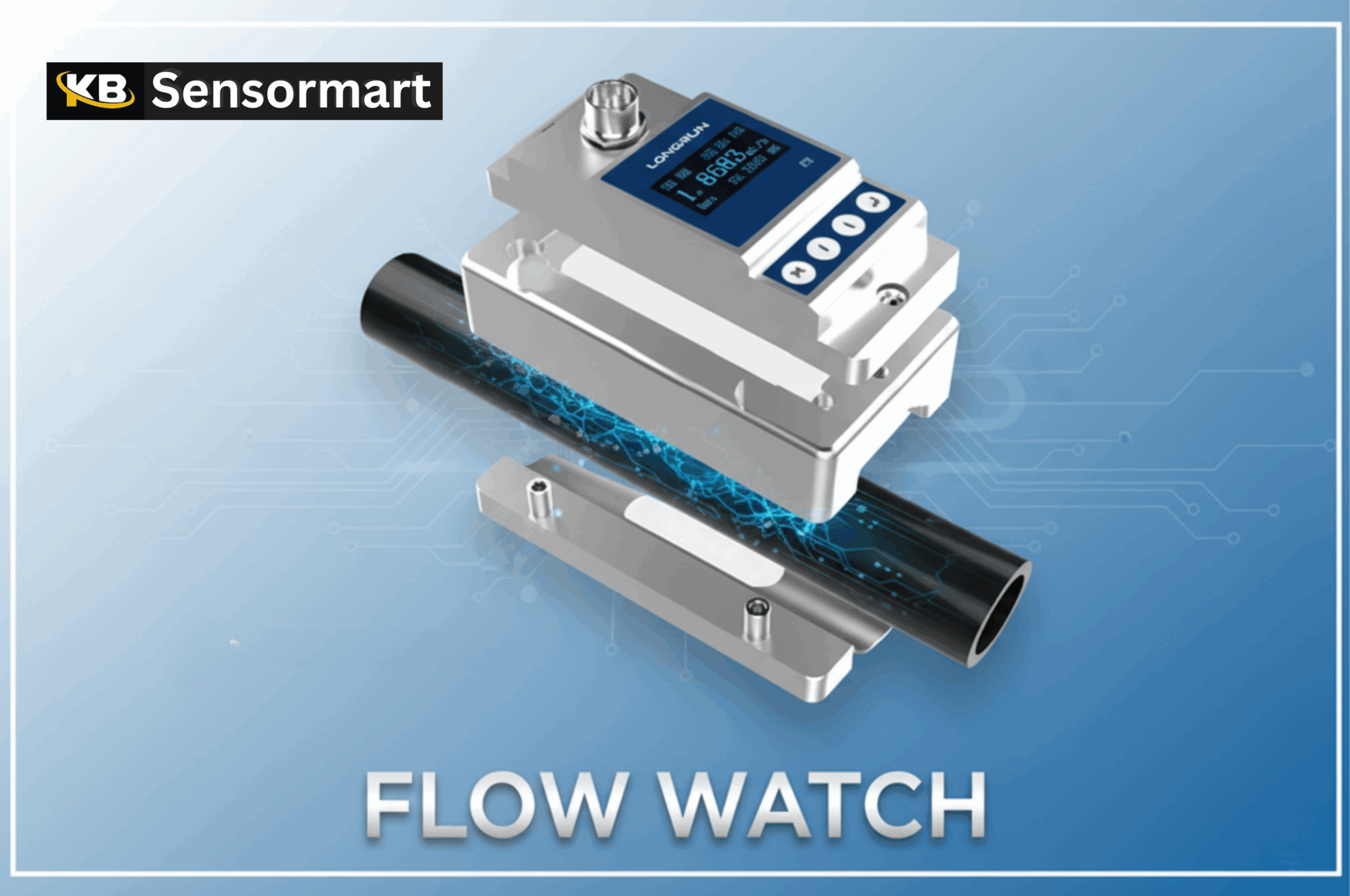
1. Introduction: The Unsung Hero of Fluid Dynamics
In the complex world of industrial and commercial operations, precision is everything. Whether you’re a chemical engineer, a facilities manager, or a beverage producer, having accurate data on fluid flow is a cornerstone of success. For decades, this required intrusive and disruptive installations, often a major headache. But what if there was a better way? A technology that offers the same, if not greater, accuracy without the need to cut a single pipe? Welcome to the era of the clamp-on flow meter, the quiet hero of modern fluid dynamics. These clever devices are changing how we think about measurement and control, one simple clamp at a time. It’s a revolution in plain sight.
2. Deciphering the Device: What Exactly is a Clamp-On Flow Meter?
At its core, a clamp-on flow meter is a device that measures the flow rate of a liquid or gas from the outside of a pipe. It’s a non-invasive solution that has eliminated the need for complex and time-consuming installations. Unlike traditional in-line meters that require you to break the pipe, a clamp-on device simply attaches to the exterior, providing real-time data without ever making contact with the fluid. This is a monumental shift. It’s a testament to the power of thoughtful, user-centric engineering.
Non-Invasive Nondestructive Testing This technology falls under the umbrella of Non-Invasive Nondestructive Testing (NDT). This is a fancy way of saying it gets the job done without damaging the system. The sensors, known as transducers, simply clamp onto the outside of the pipe. They send signals through the pipe wall and into the fluid, taking measurements without any risk of contamination, leakage, or pressure loss. It’s a win-win for both safety and efficiency. This is a major advantage for industries dealing with volatile, corrosive, or sterile fluids.
3. The Irrefutable Advantages: Why Go Clamp-On?
The benefits of this technology are plentiful and profound. From saving time and money to enhancing safety, these meters offer a compelling case for a permanent switch.
Installation Simplified Forget about shutting down your entire process. Forget about hiring a team of professionals to cut and weld pipes. With a clamp-on flow meter, installation is a breeze. It can often be done by a single person in just a few minutes with minimal training. This simplicity drastically reduces labor costs and the potential for human error.
Zero Downtime, Maximum Efficiency This is perhaps the most significant benefit. Traditional meters necessitate halting production. That’s a huge financial hit. The clamp-on meter allows you to install and start measuring without a single moment of process interruption. This continuous operation ensures your facility remains productive and profitable. It’s about more than just a measurement; it’s about maintaining a seamless workflow.
Versatility and Portability Because they don’t require permanent installation, these meters are incredibly versatile. They can be moved from one measurement point to another with ease. This portability is perfect for spot checks, system audits, or temporary installations. They are a single tool that can service multiple needs across your facility. It’s an elegant solution to a complex problem.
4. The Science Behind the Magic: How They Operate
The true brilliance of a clamp-on flow meter lies in its operating principle. Most of these devices utilize ultrasonic technology to perform their measurements.
Ultrasonic Principles The meters work by transmitting high-frequency sound waves through the pipe. These waves travel through the pipe wall, penetrate the fluid, and are received by a second transducer on the opposite side. The properties of these sound waves, specifically their travel time, can be used to calculate the flow rate. The process is a beautiful fluidic symphony of acoustics and mathematics.
The Transit-Time Method This is the most common and accurate method for clean liquids. The meter sends an ultrasonic signal in the same direction as the fluid flow and a second signal in the opposite direction. The signal traveling with the flow arrives at its destination slightly faster than the signal traveling against it. This minuscule time difference is directly proportional to the fluid’s velocity. By measuring this differential transit time, the meter precisely calculates the flow rate.
5. A Buyer’s Compendium: Features to Scrutinize
Choosing the right clamp-on flow meter requires more than just knowing how they work. It’s about finding the device that best fits your specific application.
Accuracy and Calibration Accuracy is paramount. While some people believe clamp-on meters are less accurate than their in-line counterparts, modern technology has largely erased this gap. Look for devices with advanced signal processing and a robust, verifiable calibration protocol. This ensures that the data you’re getting is not just fast, but reliable.
Display and Interface Usability A good meter isn’t just about the technology inside; it’s about the experience of using it. Look for a bright, easy-to-read display, especially for use in dimly lit environments. The interface should be intuitive, allowing for quick setup and data retrieval without fumbling through a convoluted menu. Simplicity in design translates to efficiency in practice.
Durability and Environmental Resistance Your meter needs to withstand the harsh realities of an industrial environment. Scrutinize the device’s build quality. Is it resistant to dust, moisture, and temperature fluctuations? A high ingress protection (IP) rating is a good indicator of its resilience. You need a device that is as tough as the work it’s doing.
6. From Lab to Line: Diverse Applications Unveiled
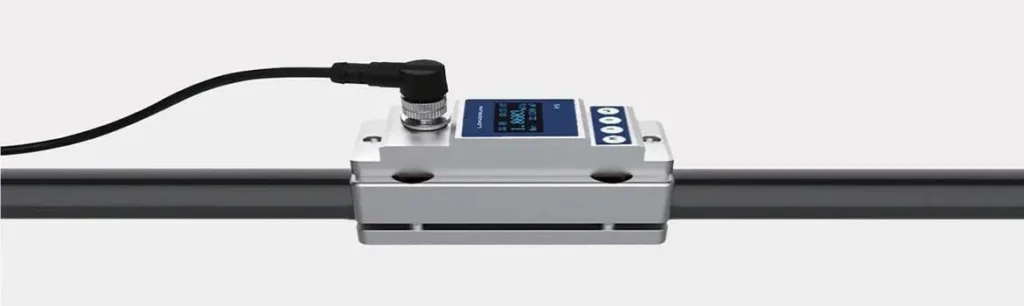
The true power of the clamp-on flow meter is its ability to adapt. These devices are used in a dizzying array of industries.
Industrial and Chemical Processing In chemical plants, where corrosive and hazardous fluids are commonplace, the clamp-on meter is a lifesaver. It allows operators to monitor flow without risking exposure to dangerous chemicals. In the beverage industry, it provides a sanitary and reliable way to measure liquids without contaminating the product. It’s an invaluable tool for process control.
Water and Wastewater Management Tracking water consumption and wastewater flow is a critical task for municipalities and large facilities. Clamp-on meters provide an ideal solution, allowing for easy, non-intrusive monitoring of pipes without the need for large-scale infrastructure projects. It is a smarter, more sustainable way to manage resources.
7. Sustaining Optimal Performance: A Primer on Maintenance
While clamp-on meters are celebrated for their low maintenance, a few best practices can ensure long-term, optimal performance.
Sensor Placement and Coupling The most crucial element of a successful installation is proper sensor placement. The sensors must be securely clamped to the pipe, ensuring a straight path for the ultrasonic signals. A good acoustic coupling gel is essential to fill any air gaps between the sensor and the pipe surface. A simple check can save a world of trouble.
Battery Life and Data Logging Many portable models are battery-powered. Keep an eye on the battery life and ensure it’s charged for your intended use. Additionally, familiarize yourself with the data logging features. This allows you to store and analyze historical data, helping you to identify trends and optimize your processes over time.
8. Conclusion: The Fluid Future is Here
The clamp-on flow meter represents a paradigm shift in fluid measurement. It offers a powerful combination of simplicity, efficiency, and accuracy that was once unimaginable. For professionals seeking to streamline their operations, reduce costs, and enhance safety, the choice is clear. By embracing this non-invasive technology, you are not just buying a tool; you are investing in a more productive, safer, and more intelligent future. The fluid future is here, and it’s a lot less complicated than you might think.


Leave a Reply