
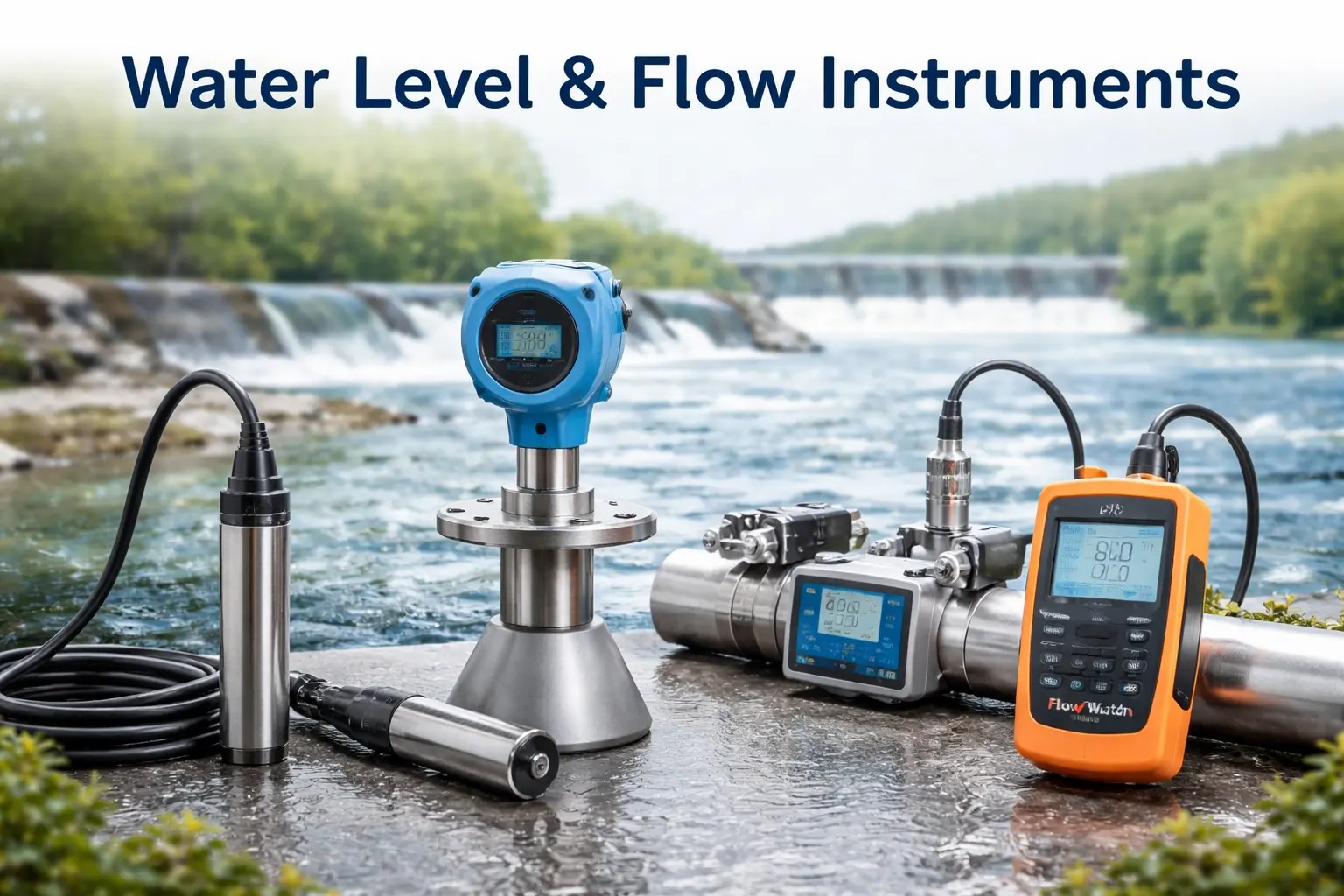
How Water Level & Flow Instruments Support Modern Systems
Water is a vital resource for cities, farms, factories, and power projects. Managing it well requires the right tools that provide clear and accurate data. Modern monitoring systems depend on smart instruments to track water level and flow without delay or error. These tools help teams prevent overflow, reduce waste, and plan better actions. With reliable measurement, decisions become easier and safer. This is why water level and flow instruments play such an important role in today’s monitoring systems, where accuracy, safety, and efficiency matter every single day.
The Need for Accurate Water Monitoring Today
Water systems are now more complex than before. Urban growth, climate change, and rising demand make monitoring a daily challenge. If water level or flow is not measured correctly, it can lead to flooding, shortages, or damage to equipment. Modern monitoring systems rely on accurate data to work smoothly. Clear readings help operators act early, avoid losses, and keep systems running safely. Good instruments also reduce manual work and lower the risk of human error during regular checks.
Another important reason is compliance and planning. Many projects must follow rules set by authorities. Correct data helps meet these rules and supports long-term planning. When data is reliable, reports are trusted and future upgrades become easier. This makes water monitoring tools a basic need, not an option.
Pressure-Type Water Level Sensors in Daily Use
Pressure-type water level sensors are widely used because they are simple and dependable. These sensors work by measuring the pressure created by the water column above them. The deeper the water, the higher the pressure, which is then converted into a level reading. This method works well in tanks, wells, rivers, and reservoirs where steady readings are needed.
These sensors are valued for their durability. They can operate in harsh environments and still give stable results. Many industries prefer them because they require little maintenance once installed. Their design allows them to handle changing water conditions without losing accuracy. This makes them useful for long-term monitoring projects.
Another benefit is ease of integration. These sensors can be connected to data loggers and control systems. This helps teams track changes over time and respond quickly when levels rise or fall. In modern systems, this kind of reliability is essential for smooth operations.
Radar Water Level Transmitters for Contactless Measurement
Radar water level transmitters offer a modern, contactless way to measure water levels. Instead of touching the water, they send radar waves toward the surface and measure the time it takes for the signal to return. This method avoids direct contact with water, making it ideal for dirty, corrosive, or fast-moving liquids.
One major advantage of radar technology is accuracy in difficult conditions. Foam, vapor, or temperature changes do not affect readings much. This makes radar transmitters suitable for open channels, rivers, and industrial tanks. They also reduce wear and tear since there is no physical contact with the water.
These transmitters are easy to install above the water surface. Maintenance needs are low, which saves time and cost over long periods. For modern monitoring systems that aim for safety and efficiency, contactless measurement is a strong solution.
Ultrasonic Flow Meters for Smooth Flow Measurement
Ultrasonic flow meters are used to measure how fast water moves through a pipe. They work by sending sound waves through the liquid and calculating flow based on signal changes. This method does not block the pipe, so it does not affect the flow itself. Because of this, it is considered a non-intrusive and clean solution.
These meters are popular in systems where cutting pipes is not practical. Installation is faster and does not require stopping operations for long. They work well in clean water applications and are widely used in water supply, treatment plants, and industrial processes. Their ability to give steady readings makes them a trusted choice.
Another benefit is low pressure loss. Since there is no obstruction, the system remains efficient. Data from ultrasonic meters helps operators spot leaks, control usage, and improve overall system performance.
Flow Watch for Flexible Monitoring Needs
Flow Watch devices are designed for flexible and temporary flow monitoring. They are often clamp-on systems that can be installed without major changes to existing pipelines. This makes them useful for audits, testing, and short-term studies where permanent meters are not needed.
These devices are easy to move from one location to another. This saves cost when multiple sites need checking at different times. Flow Watch tools help teams understand flow patterns, detect issues, and plan upgrades without heavy investment. Their portability adds great value in modern monitoring setups.
They also support quick decision-making. Since installation is simple, data can be collected fast. This is helpful during emergencies or inspections where time matters. Such flexibility makes Flow Watch an important part of today’s water monitoring toolkit.
How These Instruments Work Together in Systems
Modern monitoring systems rarely rely on a single tool. Instead, they use a mix of instruments to get a complete picture. Level sensors show how much water is present, while flow meters show how it moves. Together, they help predict problems before they happen.
Using different instruments also improves accuracy. If one reading changes suddenly, others can confirm the situation. This layered approach reduces false alarms and improves trust in the data. It also helps in planning maintenance and upgrades with confidence.
When connected to digital platforms, these instruments support automation. Alerts, reports, and trends become easy to access. This turns raw data into useful information that teams can act on quickly.
Why Choosing the Right Brand Matters
The performance of water monitoring instruments depends not only on technology but also on quality. A trusted brand ensures reliable build, proper calibration, and long service life. Sensormart focuses on providing instruments that meet real-world needs across industries.
With a wide range of options, Sensormart supports different applications, from simple tanks to complex industrial systems. Their products are designed to work in Indian conditions, where environments can vary widely. This makes them a dependable choice for long-term projects.
Good support and clear product information also matter. When teams understand how to use and maintain instruments, results improve. This adds real value beyond just the product itself.
FAQs
- Why are water level and flow instruments important in monitoring systems?
They provide accurate data that helps prevent flooding, reduce water loss, and support safe planning in water-related projects.
2. Why are water level and flow instruments important in monitoring systems?
They are often used in tanks, wells, reservoirs, and rivers where steady and long-term level measurement is required.
3. Why are water level and flow instruments important in monitoring systems?
Radar methods do not touch water, making them suitable for dirty or harsh environments with low maintenance needs
4. Are ultrasonic flow meters suitable for all liquids?
They work best with clean or fairly clean liquids and are widely used in water supply and treatment systems.
5. When is a portable flow monitoring device useful?
It is helpful during inspections, short-term studies, or audits where permanent installation is not needed.
6. When is a portable flow monitoring device useful?
Quality products ensure accurate readings, longer life, and better support, which improves system performance over time.
Conclusion
Water monitoring is no longer just about checking levels once in a while. Modern systems need constant, accurate data to stay safe and efficient. Instruments like level sensors and flow meters make this possible by turning real conditions into clear information. When chosen carefully, these tools reduce risk, save resources, and support better planning. By using trusted solutions from Sensormart, projects gain reliability and confidence. In a world where water management matters more than ever, the right instruments truly make all the difference.


Leave a Reply